



Science IDEAS Instructional Model
Science IDEAS is an instructional model designed to accelerate student achievement in science, reading comprehension and writing. Developed over the past two decades as an interdisciplinary, knowledge-based model, Science IDEAS integrates reading comprehension and writing within daily, two-hour, instructional blocks focusing on in-depth science instruction that replaces traditional basal reading/language arts instruction.
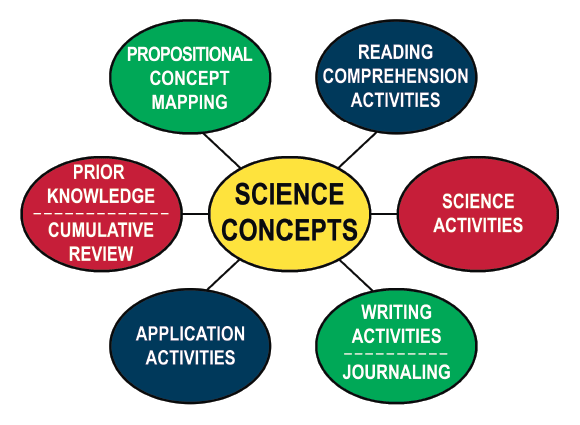
In grades 3-5, Science IDEAS students engage in a variety of inquiry-oriented hands-on, reading comprehension, writing/journaling, and concept mapping activities, all of which focus on the science concepts to be learned. Implemented through a multi-day lesson structure, these concept-focused activities build student in-depth understanding of core science concepts, while improving their ability to read with comprehension and, through writing and concept mapping, to represent the cumulative conceptual knowledge they have gained. In extensions to grades K-2 and 6-8, modified versions of the original Science IDEAS model are used to focus learning on grade-appropriate science content.
